Delayed sleep phase disorder (DSP) or syndrome (DSPS), also called phase lag syndrome, is a circadian rhythm disorder1. DSP consists of a typical sleep pattern that is delayed by two or more hours. This delay occurs when ones internal biological sleep clock (circadian rhythm) is shifted later at night and hence later into the morning. Once sleep occurs, the sleep is generally normal in terms of the amount and quality of sleep. The delay in the pattern of sleep can be considered undesirable or socially unacceptable, particularly in regard of waking at the desired time for normal school, work or social needs2.
Unlike jet lag and the effect of shift work, DSPS is a persistent condition, treatable, but not curable. DSPS is often mistaken for other types of insomnia. In clinical settings, it is reported as one of the most common complications of sleep-wake patterns. DSPS occurs more frequently in teens and young adults. People who tend to be night owls, evening types or not morning people are likely to develop DSP2.
Insomnia is classified according to cause3:
- primary, when no comorbidity is identified, the person has conditioned or learned sleep difficulties, with or without arousal in bed. Typically the insomnia has a duration of at least 1 month and it accounts for 15-20% of long-term insomnia;
- secondary or comorbid, when it occurs as a symptom of, or is associated with other conditions.
Insomnia is also classified by duration or likely duration3:
- short-term, between 1 and 4 weeks;
- long-term or persistent, lasting for 4 weeks or longer.
Symptoms associated with DSP include1, 2:
- individuals reporting that they cannot sleep until early morning (unlike most other insomniacs) no matter what time they go to bed, they fall asleep at about the same time every night, and sleep comes quite rapidly (unless there are other untreated sleep disorders in addition to DSPS);
- individuals have a normal need for sleep, can sleep well, and wake up spontaneously, if allowed to follow their own sleep schedule (e.g. 4 a.m. to noon);
- they do not feel sleepy; symptoms have been present for a least one month; the syndrome can develop suddenly or gradually.
The medical cause of DSPS is unknown. It can occur in patients who experience head trauma or serious illness. In these cases, the body’s natural healing process may disrupt normal circadian rhythm and render the biological clock unable to resent or resynchronise4.
DSPS treatments are meant to adjust a persons’ circadian rhythm and sleep pattern to fit into a schedule of the individuals’ desired lifestyle. Since the ability to wake up and function normally depends on an adequate amount of sleep, the patient gradually adjusts to an earlier bedtime. Sleep therapy usually combines sleep hygiene practice and external stimulus therapy4.
Sleep hygiene
Sleep hygiene practice include: limiting large meals; avoiding caffeine, alcohol and tobacco; exercising in the early part of the day as opposed to the evening; practising stress reduction techniques; making slight variations in sleep and wake times1, 4.
Bright light therapy
Early morning exposure to light tends to lead to an early wake time and advance sleep onset at night. Artificial light is often used especially early in the morning and in the winter months to expose patients to bright light. A light box is often used to emit a standard dosage of white light1, 5.
Chronotherapy
This treatment is used to manipulate the sleep-wake cycle in an attempt to change the patient’s underlying circadian rhythm. The patient progressively goes to bed and wakes up 3 hours later than the previous night, until over a period of time their sleep pattern have moved around the clock and into an acceptable sleep schedule. Chronotherapy can interfere with prescription medications and indications associated with other disorders e.g. those on insulin or who have immune system disorders1, 5.
Melatonin
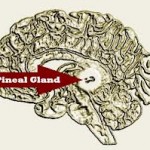
Melatonin is a natural hormone that is produced primarily by the pineal gland in the brain when the body prepares for sleep. Secretion occurs when it becomes dark and is suppressed by exposure to light. Melatonin secretion is also associated with diet1.
Two forms of melatonin is produced; animal or bovine grade containing the actual extracts of the pineal gland. Synthetic or pharmacy grade produced from pharmaceutical grade ingredients6.
3 Evidence summary
The American Agency for Healthcare Research and Quality (AHRQ)6 in a systematic review of melatonin for the treatment of sleep disorders conclude that the evidence suggests that melatonin is:
- not effective in treating most primary sleep disorders with short-term use, although some evidence suggests that melatonin is effective in treating delayed sleep phase syndrome with short-term use;
- not effective in treating most secondary disorders with short-term use;
- not effective in alleviating the sleep disturbance aspect of jet lag and shift-work disorder;
- safe with short-term use.
A recent systematic review of the effectiveness of oral melatonin for adults (18 to 65 years) with DSPS and adults (18 to 65 years) with primary insomnia (PI) has concluded that there is limited support for its use in people with DSPS, and little evidence to support its use for PI7.
The American online text book eMedicine5 report:
“Behavioural and light therapy are the mainstays of circadian rhythm disturbances. Emphasize good sleep hygiene and discourage maladaptive behaviours”.
CKS (NHS Clinical Knowledge Summaries)3 in a recent review of insomnia (July 2009), report that melatonin for primary insomnia:
“At the dose and duration of modified-release melatonin licensed for use in the UK, two randomized controlled trials (RCTs) reported an improvement in the quality of sleep and morning alertness, although the clinical significance of the improvement is unclear. In one of the studies, a small improvement in sleep-onset latency (time taken to get to sleep) was also noted with melatonin. CKS identified no studies comparing modified-release melatonin with hypnotics for the treatment of insomnia”.
4 Conclusion
The evidence suggests that melatonin is not effective in treating most primary sleep disorders with short-term use, although there is some evidence to suggest that melatonin is effective in treating delayed sleep phase syndrome with short-term use. Behavioural and light therapy is the mainstay of treatment for circadian rhythm disturbances.
5 Review
The public health evidence summary will be reviewed in three years, or earlier, if circumstances necessitate an earlier review.
6 References
- sleepchannel. Delayed sleep phase syndrome [online]. Available at: http://www.sleepdisorderchannel.com/dsps/index.shtml [Accessed 17th Apr 2009]
- American Academy of Sleep Medicine. Sleepeducation.com. Delayed sleep phase [online]. Available at: http://www.sleepeducation.com/Disorder.aspx?id=30 [Accessed 17th Apr 2009]
- CKS. Insomnia [online]. 2009. Available at: http://www.cks.nhs.uk/insomnia [Accessed 8th Sep 2009]
- Cleveland Clinic. Delayed sleep phase syndrome and advanced sleep phase syndrome [online]. Available at: http://my.clevelandclinic.org/disorders/Circadian_Rhythm_Disorders/hic_Delayed_Sleep_Phase_Syndrome_and_Advanced_Sleep_Phase_Syndrome.aspx [Accessed 17th Apr 2009]
- eMedicine. Sleeplessness and circadian rhythm disorder [online]. Available at: http://emedicine.medscape.com/article/1188944-overview [Accessed 17th Apr 2009]]
- Buscemi M et al. Melatonin for treatment of sleep disorders. Evidence Report/Technology Assessment No. 108. AHRQ Publication No. 05-E002. Rockville: Agency for Healthcare Research and Quality; 2004. Available at: http://www.ncbi.nlm.nih.gov/books/bv.fcgi?rid=hstat1a.chapter.74599 [Accessed 15th Apr 2009]
- MacMahon KM, Broomfield NM, Espie CA. A systematic review of the effectiveness of oral melatonin for adults (18 to 65 years) with delayed sleep phase syndrome and adults (18 to 65 years) with primary insomnia. Database of Abstracts of Reviews of Effects (DARE). 2005. Available at: http://www.mrw.interscience.wiley.com/cochrane/cldare/articles/DARE-12006006046/frame.html [Accessed 15th Apr 2009]
Source: Author: Norma Prosser, Public Health Practitioner



A friend of mine used melatonin and it did the job but there is also a lot of both good and bad things written about it